Your How-To Guide on Reviving Your Outdoor Space After a Harsh Winter
Every year spring comes around. You feel ecstatic to have survived another harsh New England winter. You’re giddy to finally put away your snow boots and heavy coat. When you step outside you can feel the warmth of the sun on your skin and you’re excited to enjoy the nice weather. However, as the snow melts, you begin to see the mess winter has left in your outdoor living space. Your yard is barren, full of debris, and has become an overall unwelcoming place to be. It is time for some spring cleaning. Below, you will find your how to guide on revitalizing your outdoor space after the wintertime, so you can make the most out of it this spring.
Table of Contents
Remove Debris
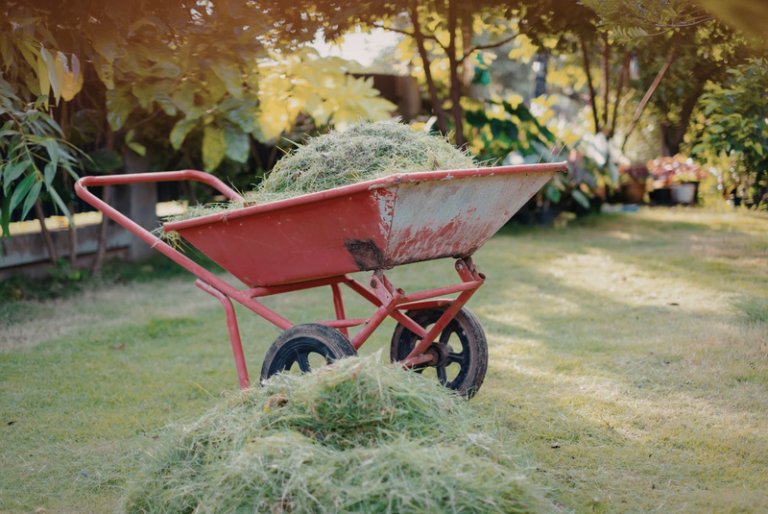
One of the biggest tasks to get your yard cleaned up after a harsh winter is removing debris. Any branches and twigs that have fallen, left over leaves from the fall, or rotting plant material should be removed and disposed of. Any perennials that need to be cut back should be done. This allows your plants better access to rain and sunlight, both of which are essential for your plants to grow back strong and healthy after a rough winter. Additionally, it will make your space more useable when you are not getting poked by stray sticks and it just leads to a much tidier appearance.
Re-edge and Clean Up Flower Beds
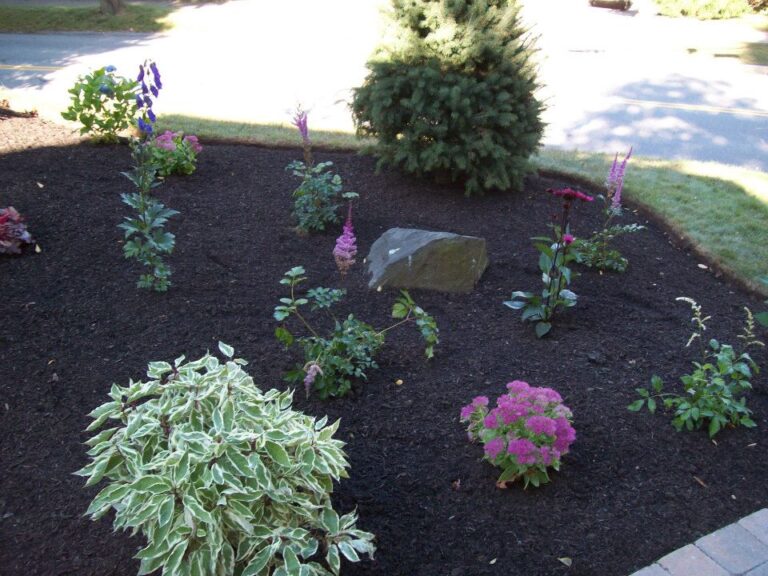
Another key step to reviving your outdoor space after the winter is re-edging and cleaning up your flower beds. Over the winter any mulch that lay beneath may have been swept away by wind or snow, leading to messy and undefined edges of your beds. For your flower beds to look and feel their best this spring, you should remove debris, re-edge and re-apply mulch. The mulch will help the soil to retain moisture and give your beds a crisp, defined edge that will look fantastic. You should be adding 2-4 inches of mulch on new beds and a skim coating on existing beds that have been mulched last season. Re-edging will give your space a neater appearance, reduce weeds and eventually create healthier soil as the mulch de-composes and releases nutrients back to the soil.
Lawn Aeration
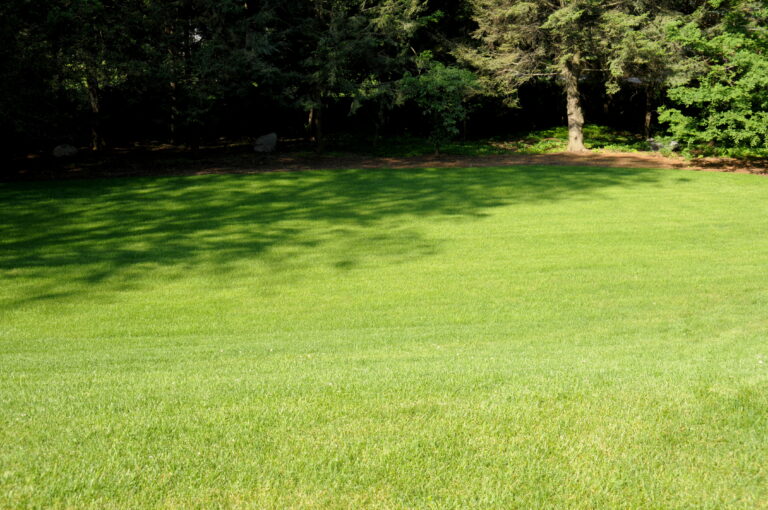
Aerating your lawn is a great way to prepare your yard for the season. Aeration is the process of creating thousands of small holes in your lawn to allow your grass better access to water and nutrients. The small holes allow water, fertilizer, and nutrients to travel to the root system quicker and more effectively than when they are being absorbed from the top layer of soil. Aeration is especially helpful to high traffic areas of your lawn where the soil may become more compacted, making it harder for grass to grow, but any part of your lawn can benefit from aeration. It is also beneficial after the winter when your lawns layer of thatch is likely a lot higher. Thatch is a natural layer of dead grass, roots and other debris that can accumulate on your lawn and does not decompose. An excess of thatch prevents your grass from getting adequate sunlight, moisture, nutrients and oxygen. While a thin layer of thatch is needed to help retain moisture, too much will cause your lawn to wither. Although thatch tends not to build up excessively during the winter, if thatch was not addressed in the fall, you may find a surplus once your property thaws in the spring. The best time to remove thatch is in the spring due to it being a period of rapid growth, meaning thatch is accumulating at a faster rate. If you get ahead of this and aerate in the early spring it will greatly slow the accumulation of thatch, leading to a greener and healthier lawn.
De-thatch Your Lawn
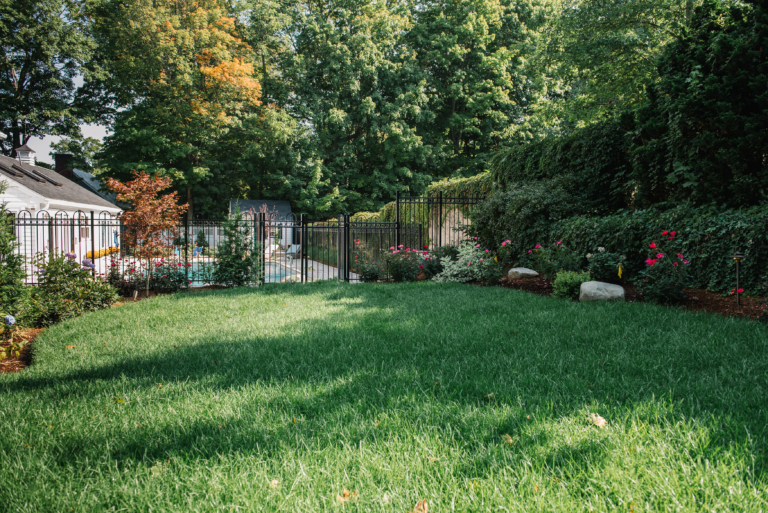
While aeration is a great way to break up the layer of thatch in your lawn, de-thatching is also a great choice. De-thatching is a crucial aspect of lawn maintenance due to the way grass decomposes. At the end of the life cycle of a single blade of grass, the blade part decomposes and release water and nutrients back into the soil. However, the stem portion of grass does not decompose, and can build up. This build up is referred to as thatch and an excess can cause your living grass to suffer. When the layer of thatch is too thick, it prevents water from effectively penetrating the soil and makes it difficult for your lawn to properly absorb oxygen and nutrients. De-thatching your lawn involves mechanical or deep raking your lawn to remove the excess. It can be a time consuming and laborious process, so you may want to consider going to a professional, who has the equipment to de-thatch in a timely manner. Although it can be a lengthy process, it is also worth it as most lawns can benefit from the removal of the thatch layer.
Seed Your Lawn

Thatching may expose parts of your lawn that have become bare, so it is a great time to seed your lawn. By seeding in early spring, you allow time for your grass to grow so you can enjoy a luscious, green lawn all throughout the rest of the warmer months.
Lawn Mowing
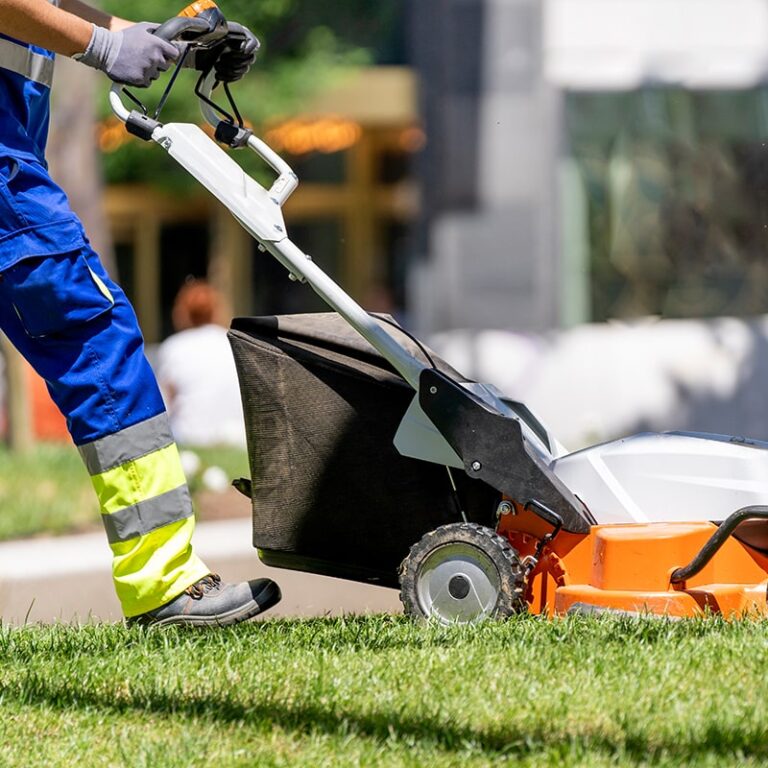
In Massachusetts, we have cool weather grass, which grows very quickly in comparison to warm weather grasses in the early spring. If you are not paying attention, your lawn may grow unruly before your even know it. To make sure your first lawn mow isn’t unnecessarily stressful it is crucial that you mow earlier than you may anticipate, usually around mid- March. The optimal length for grass is 1.5-3 inches and grass can grow quickly. So, mowing your lawn is an important part of getting your outdoor space ready for spring.
Install Homes for Pollinators
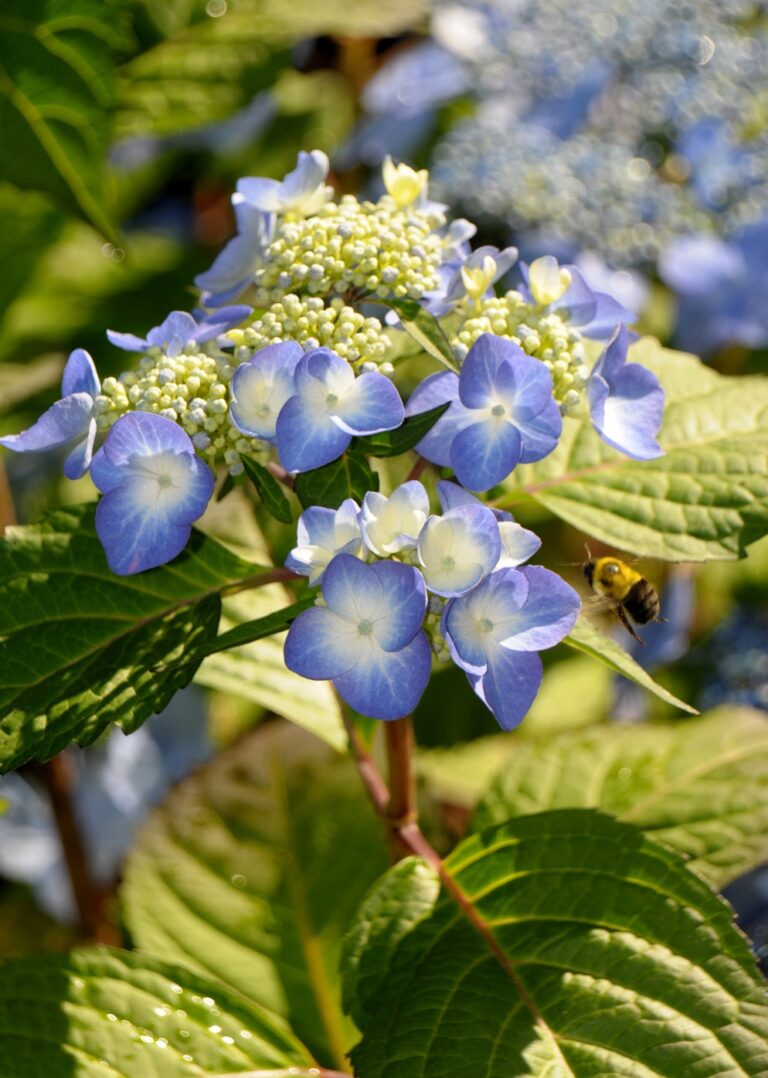
Pollinators will help your garden to thrive, so why not create home for pollinators to attract them to your property? You might want to set up bird houses so that the birds can keep harmful insects away from your garden. Or you may want to attract bees and butterflies to your property, so you install large amounts of coneflowers or black eyes Susan’s to entice them to your yard. No matter what method you use, attracting pollinators is not only good for the environment overall, but good for the health of your plants overall.
Plant Your Vegetable Garden
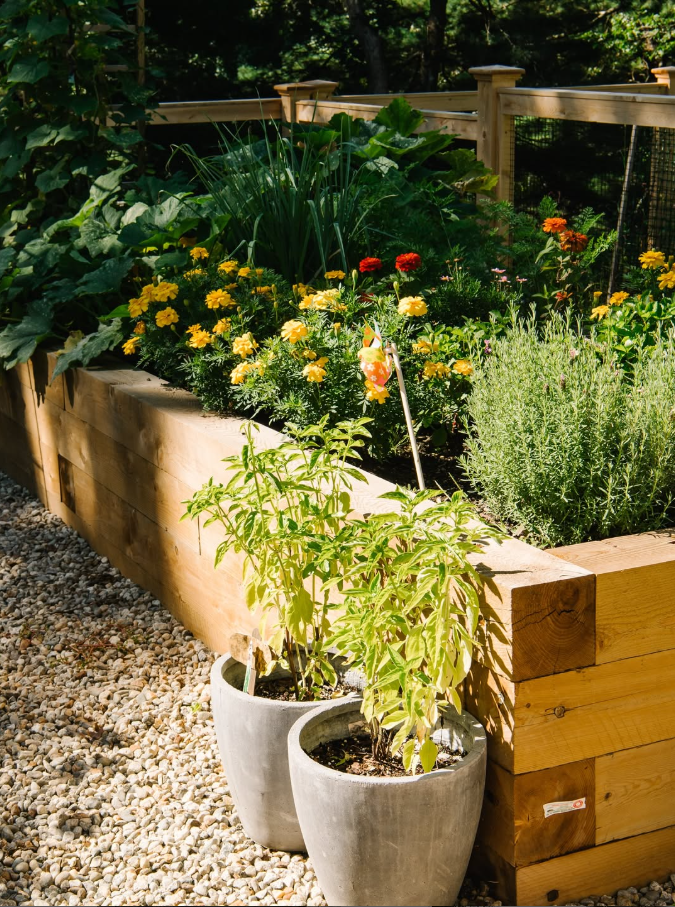
The spring is a great time to plant your vegetable garden. You will want to plant after the last frost which can happen around mid-March through mid- April in Massachusetts. Once you no longer have to worry about frost coming in a killing off your plants, you should be able to plant a beautiful garden. If the last frost comes in mid- March, late March is a great time to plant arugula, beets, carrots, kale and lettuce. In April you can plant celery, cilantro, dill, green beans and, in late April, watermelons. May is good for planting zucchini, sweet corn, pumpkins, honeydew melons and ginger. Growing your own food is a great way to ensure you always have the freshest produce. A predicted trend in 2026 is that there will an increase in edible landscaping, which blends ornamental and vegetable gardens to create one seamless beautiful and vegetable producing landscape. So why not incorporate your vegetable plants into your landscape with a stunning plant installation this spring that blends both gorgeous flowers and productive fruit/ vegetable plants.
Weed
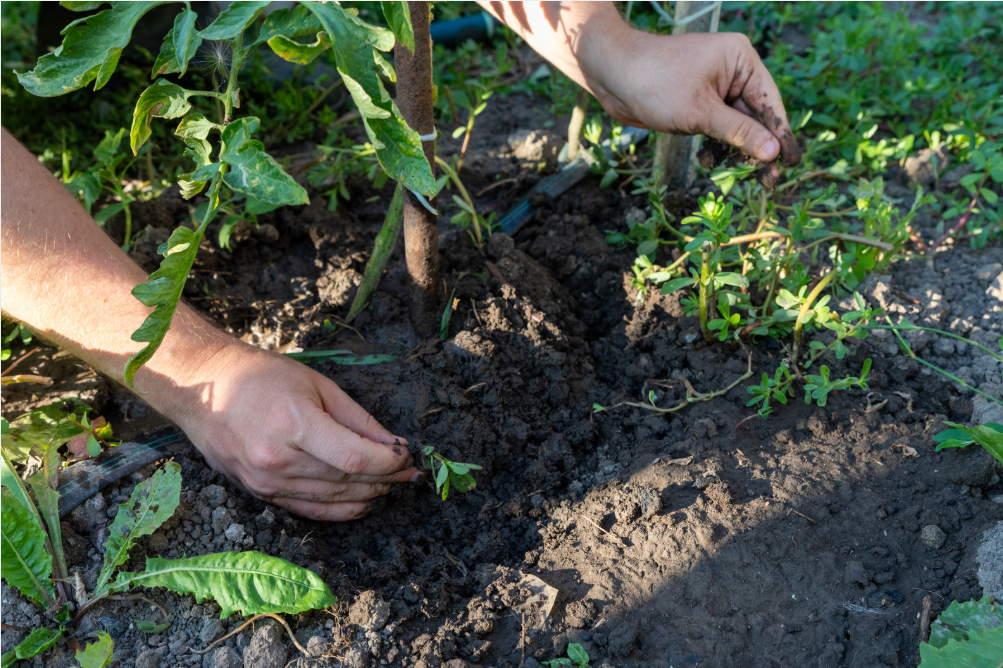
Another important part of prepping your outdoor space for the spring is weeding. As soon as the ground thaws in the spring, weeds will start to sprout up everywhere, competing with your grass and plants for valuable nutrients and water. To be confident that you will have a beautiful, thriving yard, you should make sure your lawn, and beds are free of weeds. In Massachusetts the most common weeds are, garlic mustard, white clover, dandelions and crabgrass. Although it can be time consuming, having a more well-manicured and healthy yard is worth the hassle.
Hire a Professional for a Spring Cleanup

If any or all the following ways to revive your outdoor space sounds daunting, consider hiring a professional. Professional landscapers take the stress out of a spring cleanup. They have the knowledge to effectively care for your property and they have the equipment to easily complete any of the spring cleanup tasks we touched upon earlier. Let the professionals handle the hard work so all you have to do is enjoy the warm spring weather.
Enjoy
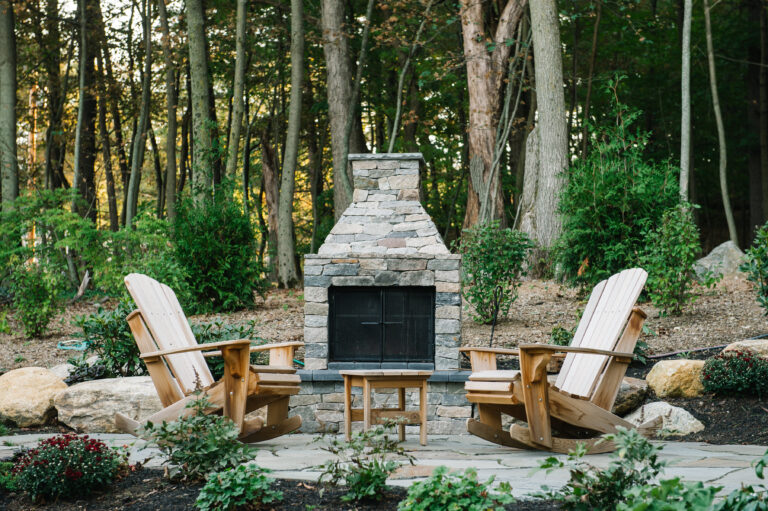
The last step to the arduous process of getting your outdoor space cleaned up is to simply enjoy. Your outdoor space should be a place you can relax, make memories with loved ones and appreciate nature in your own back yard. Whether you make smores by the fire pit, enjoy your installation of flowers, have a barbeque in your outdoor kitchen or simply relax on your patio, you can make the most of your outdoor space once it has had a proper spring cleanup.
Ready to get started?
Perennial Landscape Corporation | Winchester, MA | Concord, MA | Lexington, MA | Andover, MA
Other Articles
Perennial Landscape Corporation
The Quality You Expect and the Service You Deserve
Perennial Landscape Corporation is a family-owned business creating distinguished landscape environments in Winchester, Concord, Lexington, Andover and surrounding Massachusetts areas since 1995.
Perennial Landscape Corporation was named after the category of plants called perennials. Perennials are plants that have a lifespan of two or more years, meaning they come back each year. Just like a perennial, our aim is for you to be able to count on us year after year.
Here at Perennial, we pride ourselves on providing excellent landscaping services and outstanding customer service. Our motto is ” the quality you expect and the service you deserve”. That is the mindset that permeates every aspect of our work.
Perennial Landscape Corporation

Creating distinguished landscape environments since 1995
Winchester, MA | Concord, MA
Lexington, MA | Andover, MA
Have a Question?
Whether you have landscape construction needs large or small, fall cleanups or if you’d just like to say hi, we would love to hear from you.